An idea that crosses a border and loses its value on the way is not an idea that builds an economy. That proposition sat underneath every session of Africa IP Day 2026, convened by the AfCFTA Secretariat in Accra on 10 September under the theme Growing Business Under the AfCFTA IP Ecosystem.
The commemoration was the first held since the adoption of the Annexes to the AfCFTA Protocol on Intellectual Property Rights. Together, the Protocol and its Annexes complete a continental intellectual property framework that is the first of its kind. Comparable instruments exist at national and regional level across Africa. None existed for the continent as a whole. The framework is designed to establish consistent intellectual property policies across State Parties and to build an inclusive continental ecosystem in support of intra-African trade.
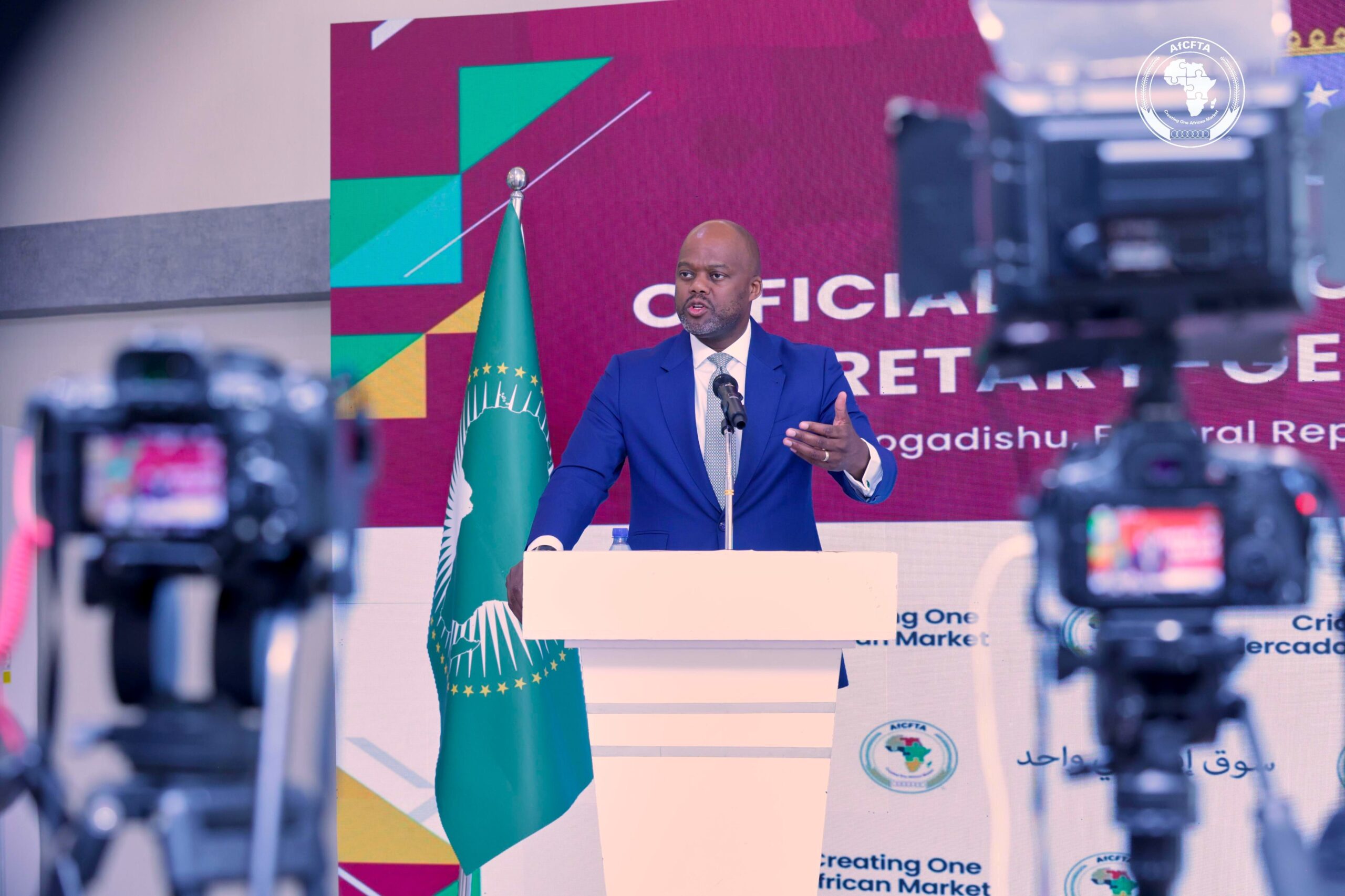
“Africa’s ideas, brands, inventions and creative works should not lose their value at the border. With the Protocol on Intellectual Property Rights and its Annexes, we now have the continental framework to ensure they do not.”
H.E. Wamkele Mene, Secretary-General of the AfCFTA Secretariat.
The programme opened with goodwill messages from ministers and from the leadership of Africa’s regional intellectual property organisations, and a keynote address from the Chairperson of the AfCFTA Council of Ministers responsible for Trade.
Its intellectual centrepiece was a panel discussion on the conundrum of growing intangible asset-based businesses and investment in a fragmented African intellectual property context. The panel brought together institutional, entrepreneurial, academic and financial perspectives to examine a practical problem: African enterprises whose principal asset is a brand, a design, a formulation or a body of creative work frequently cannot protect it across the markets they wish to enter, cannot value it on a balance sheet, and therefore cannot borrow against it or license it on fair terms.
That difficulty is not abstract. African businesses often make limited use of intellectual property tools, a large share operate informally, and many disclose a product before they are in a position to protect it. The consequence is familiar across sectors: value is created in Africa and captured elsewhere.
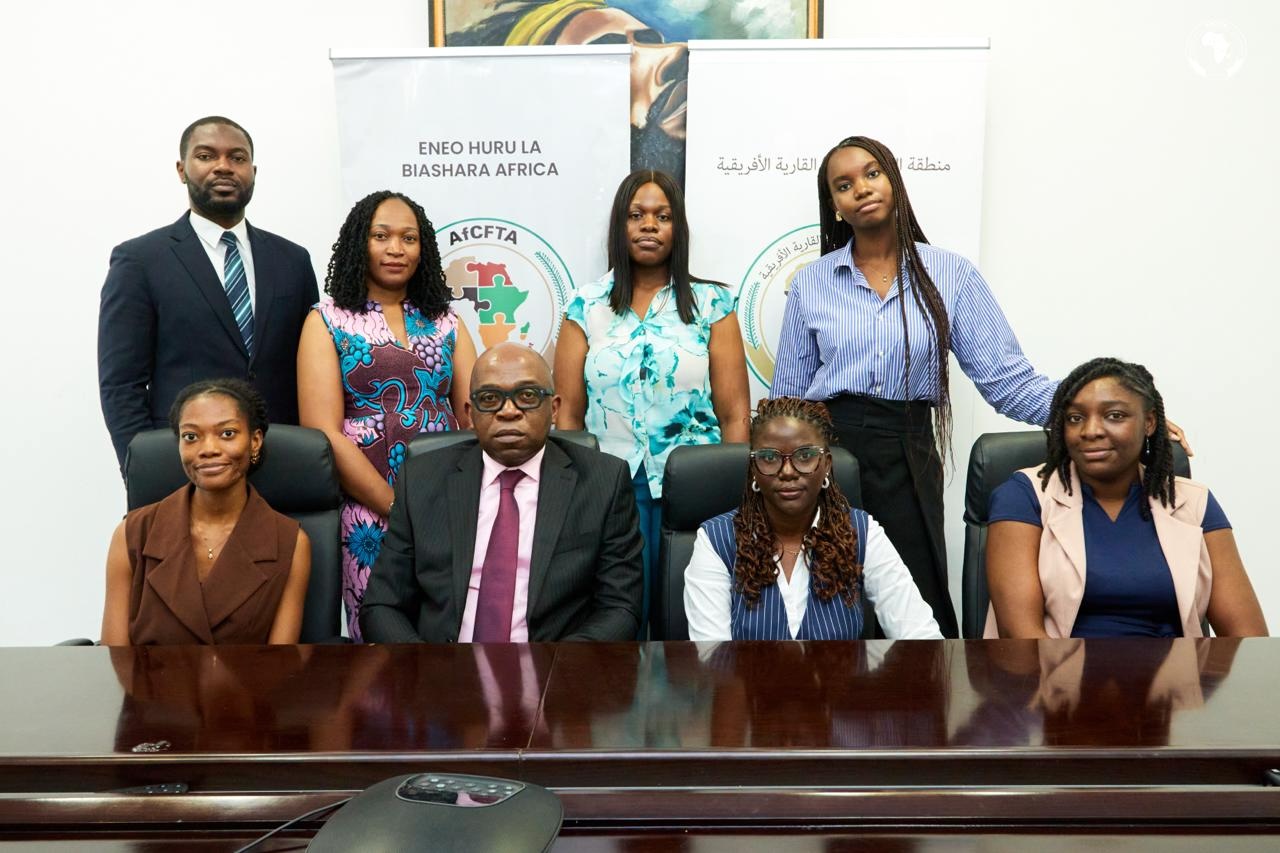
The day also recognised six African innovators, entrepreneurs and creators from Benin, Cameroon, Ghana, Nigeria and Uganda, through My IP Story and the SG Prize. Their work spans publishing and creative enterprise, agricultural machinery, agro-processing, biotechnology, healthcare and clean energy. What connects them is not a sector. It is that each has taken an idea through to protection, and from protection to a business.
[Insert quotation from the Head of the Intellectual Property Rights Division here, once obtained.]
The instruments now exist. The question the commemoration returned to, in different forms across the morning, was one of implementation: how a continental framework becomes something a woman running an agro-processing business in Kampala or an engineer manufacturing threshers in Ghana can actually use. That is the work of the coming years, and it belongs as much to national intellectual property offices, financial institutions and business associations as it does to the Secretariat.
Africa IP Day 2026 was organised by the Intellectual Property Rights Division of the AfCFTA Secretariat, under the project AfCFTA Intellectual Property Convergence of Practices.