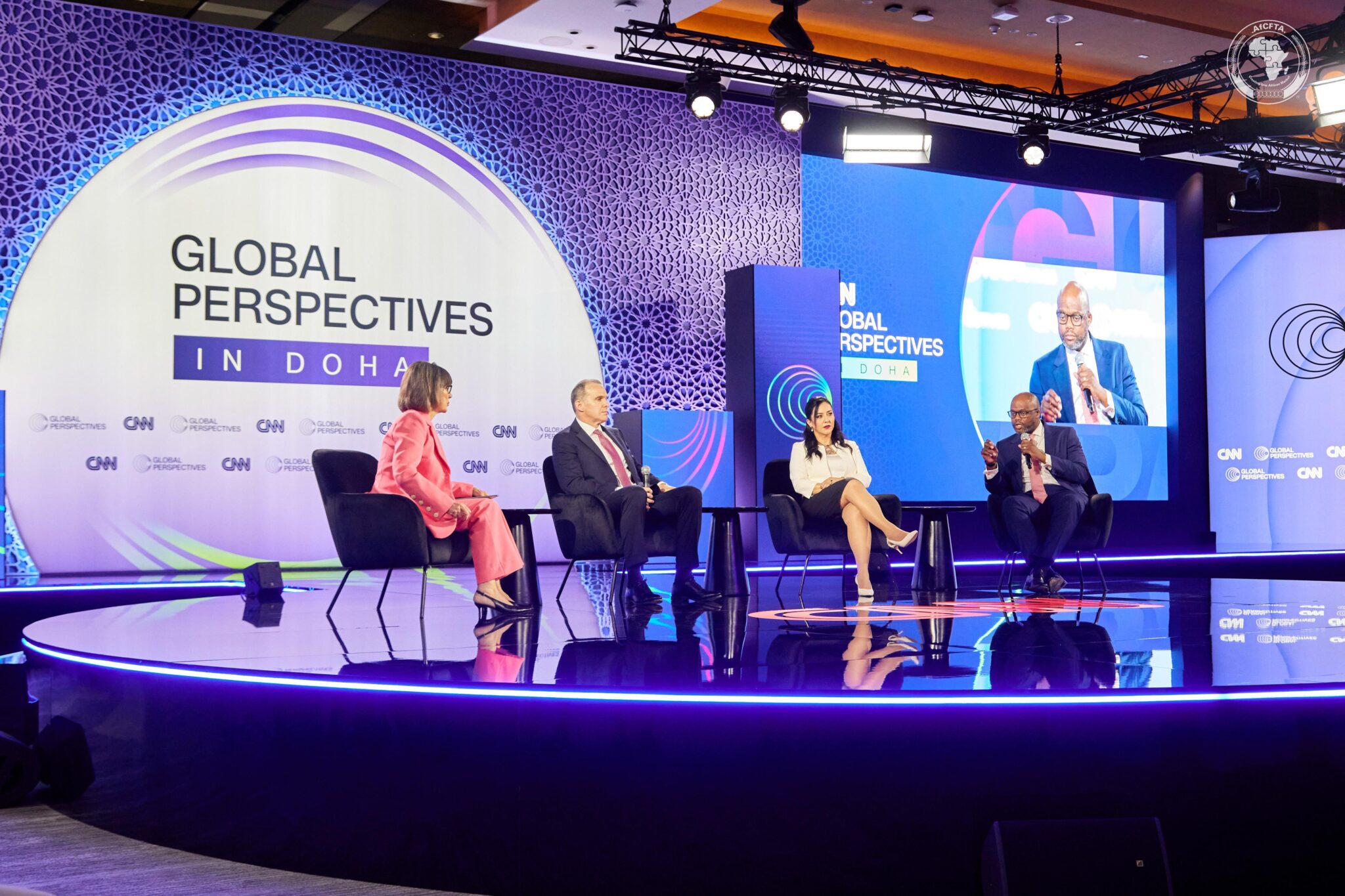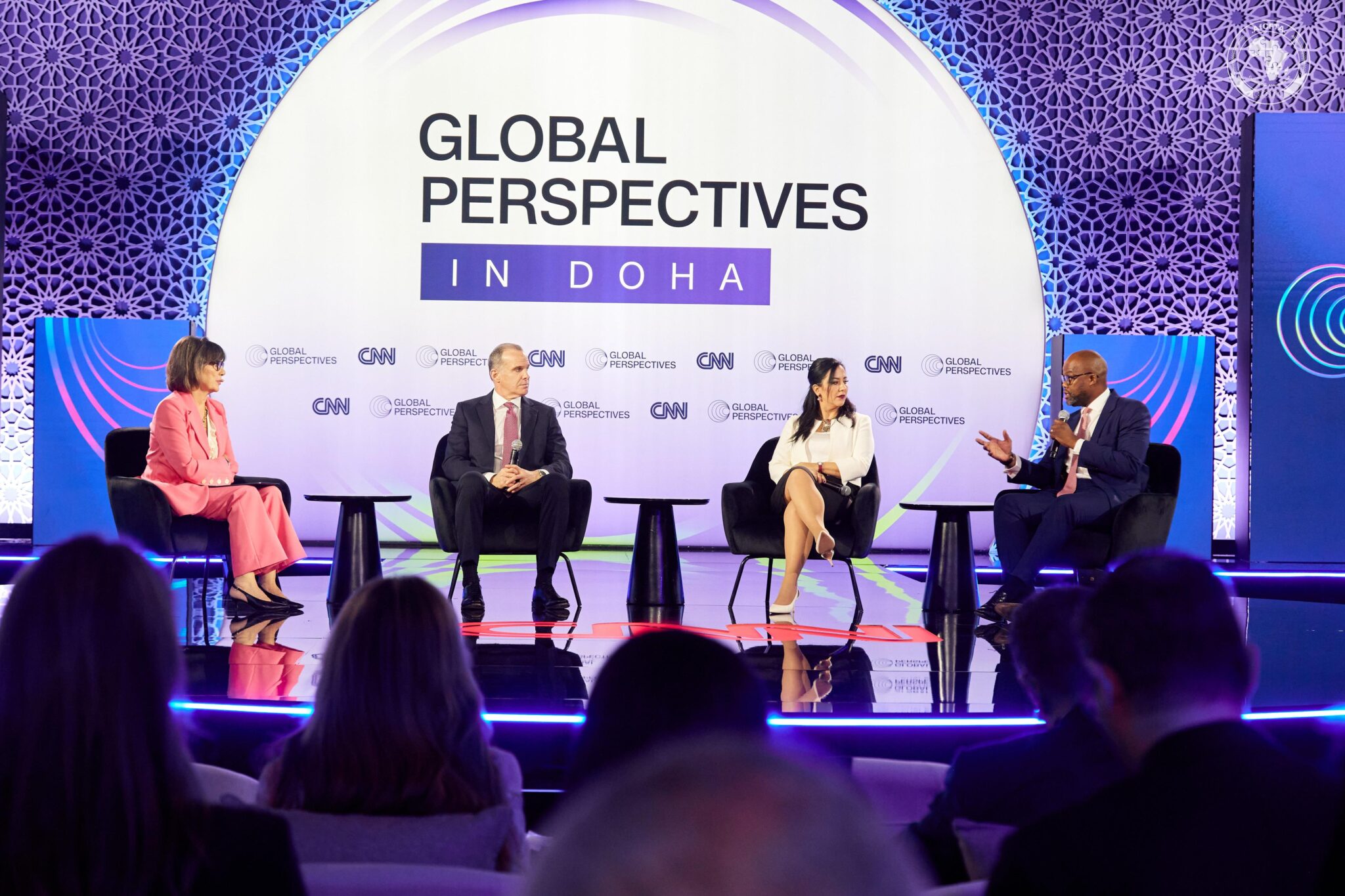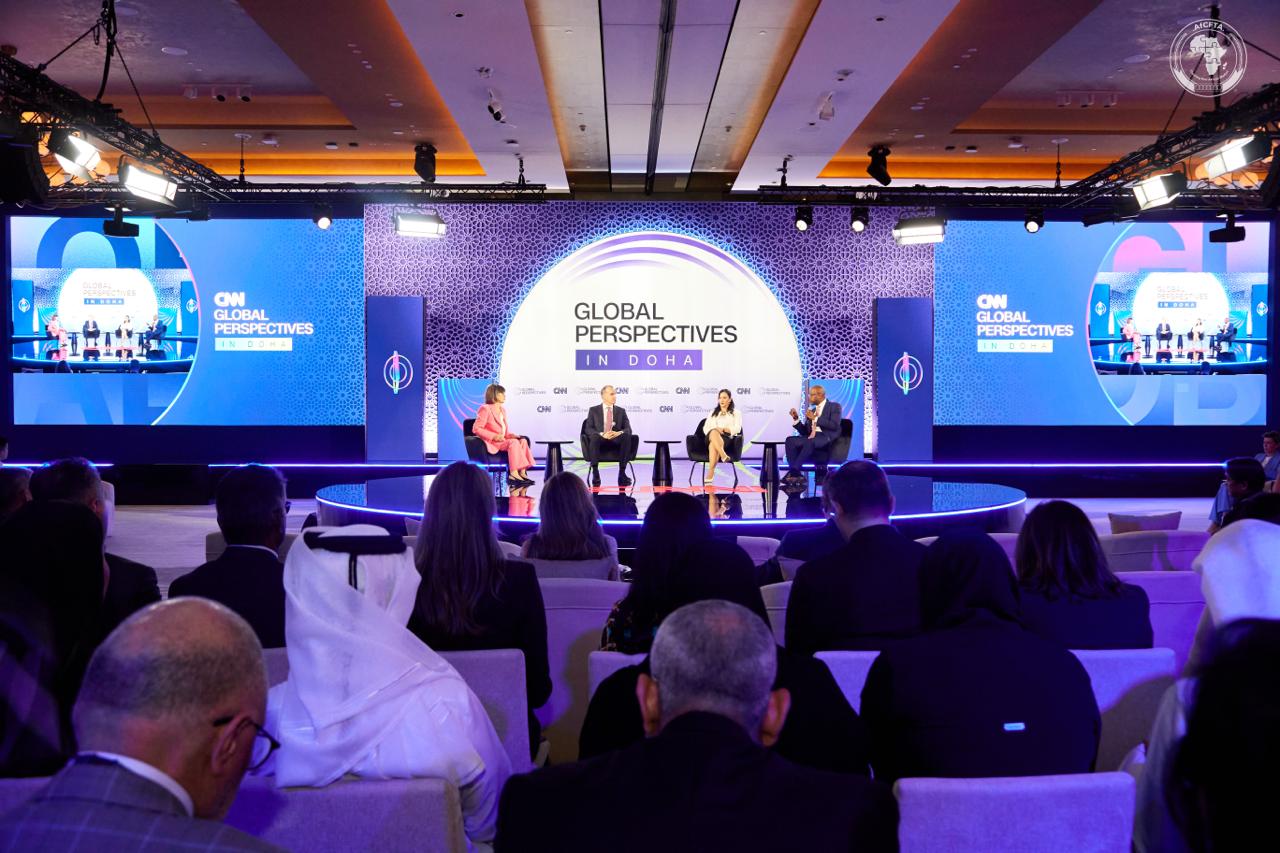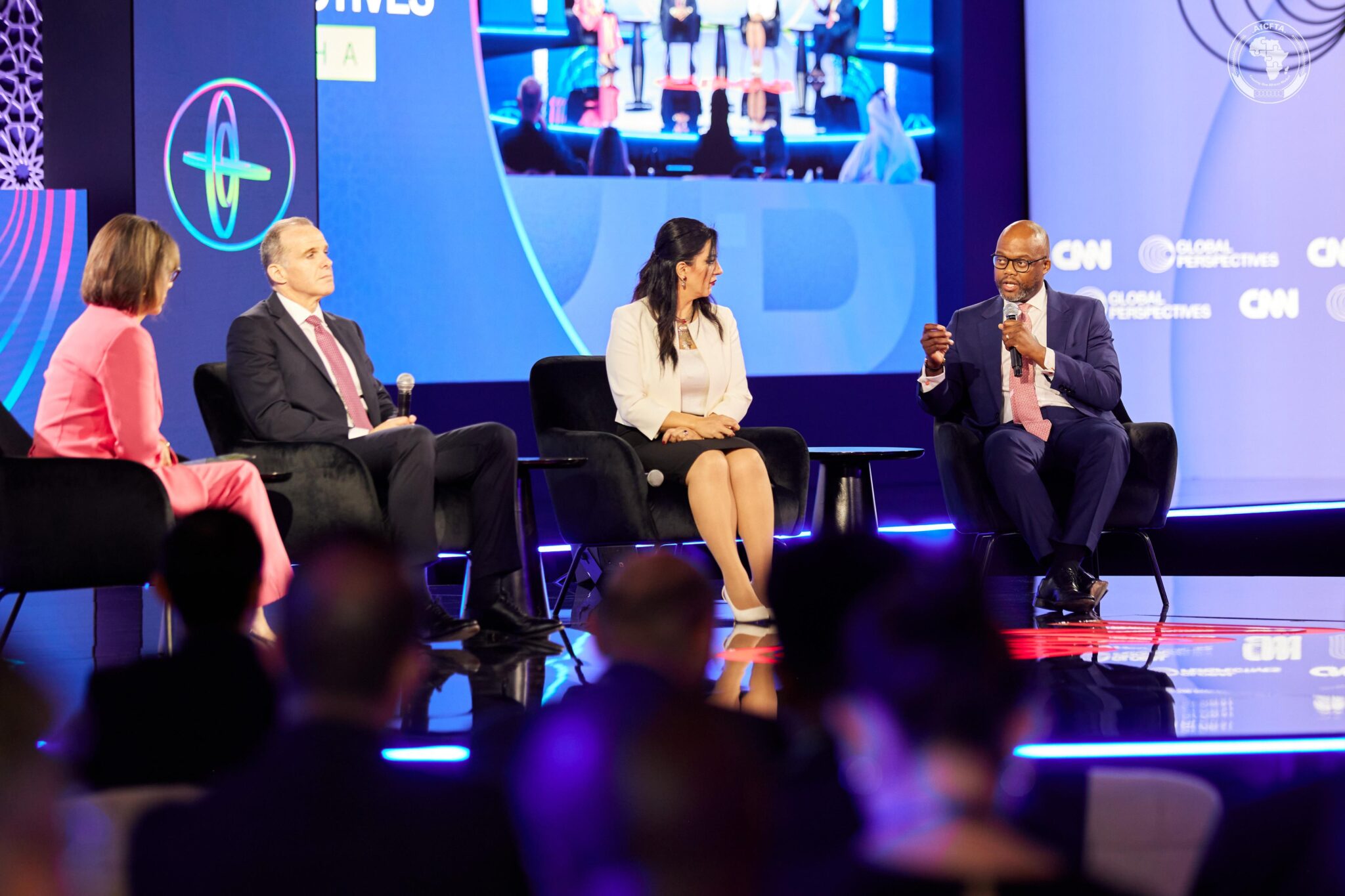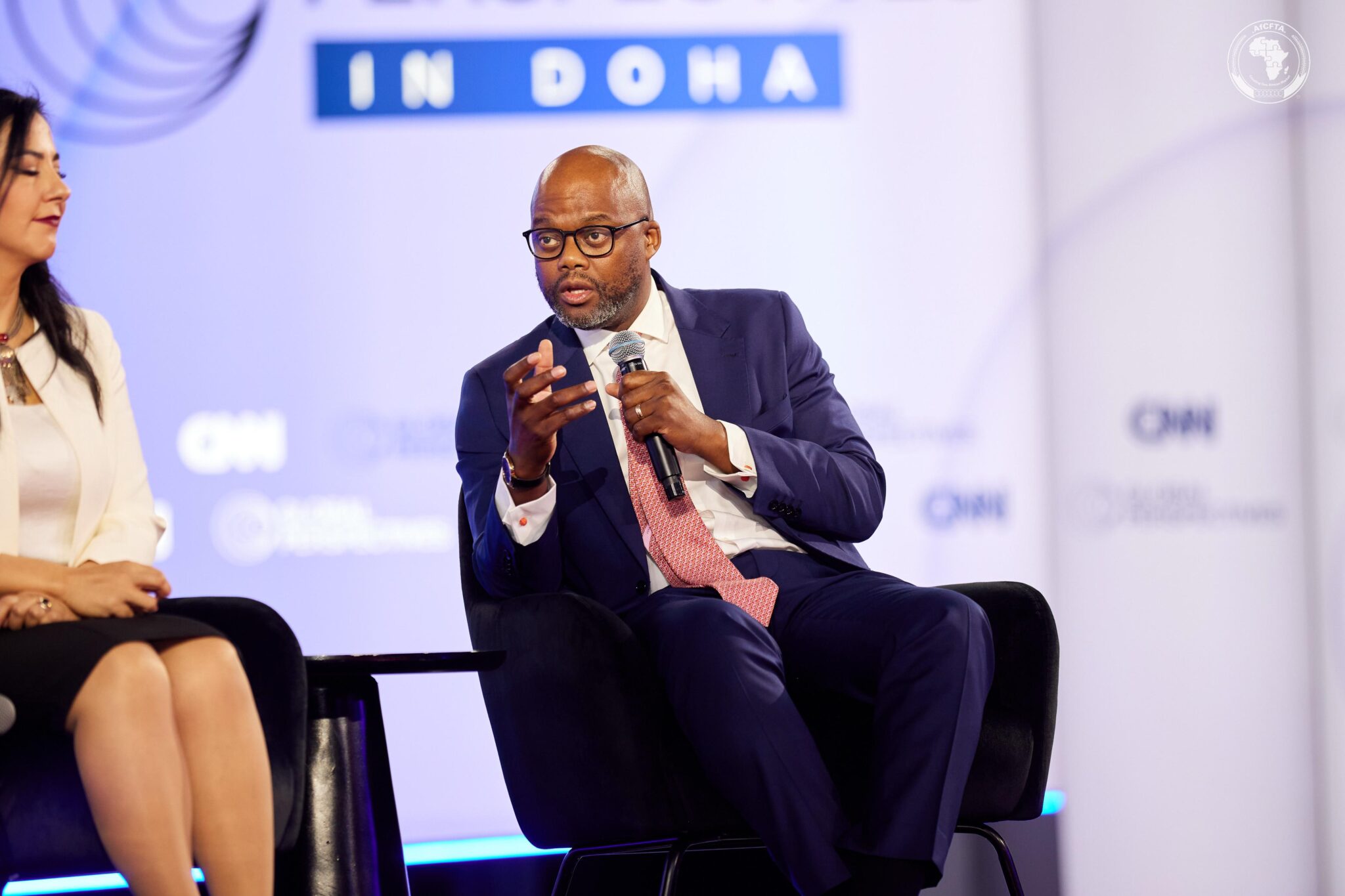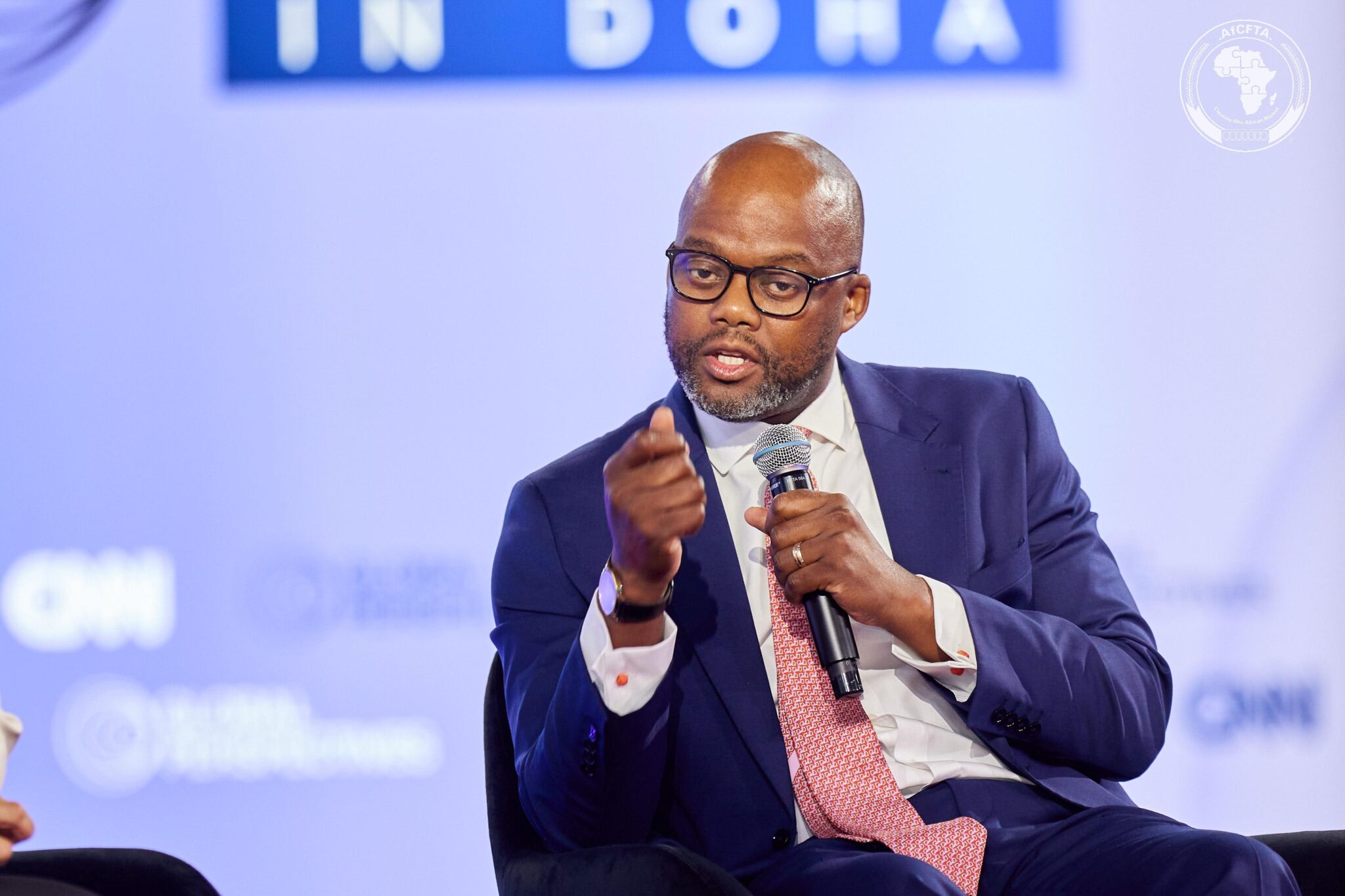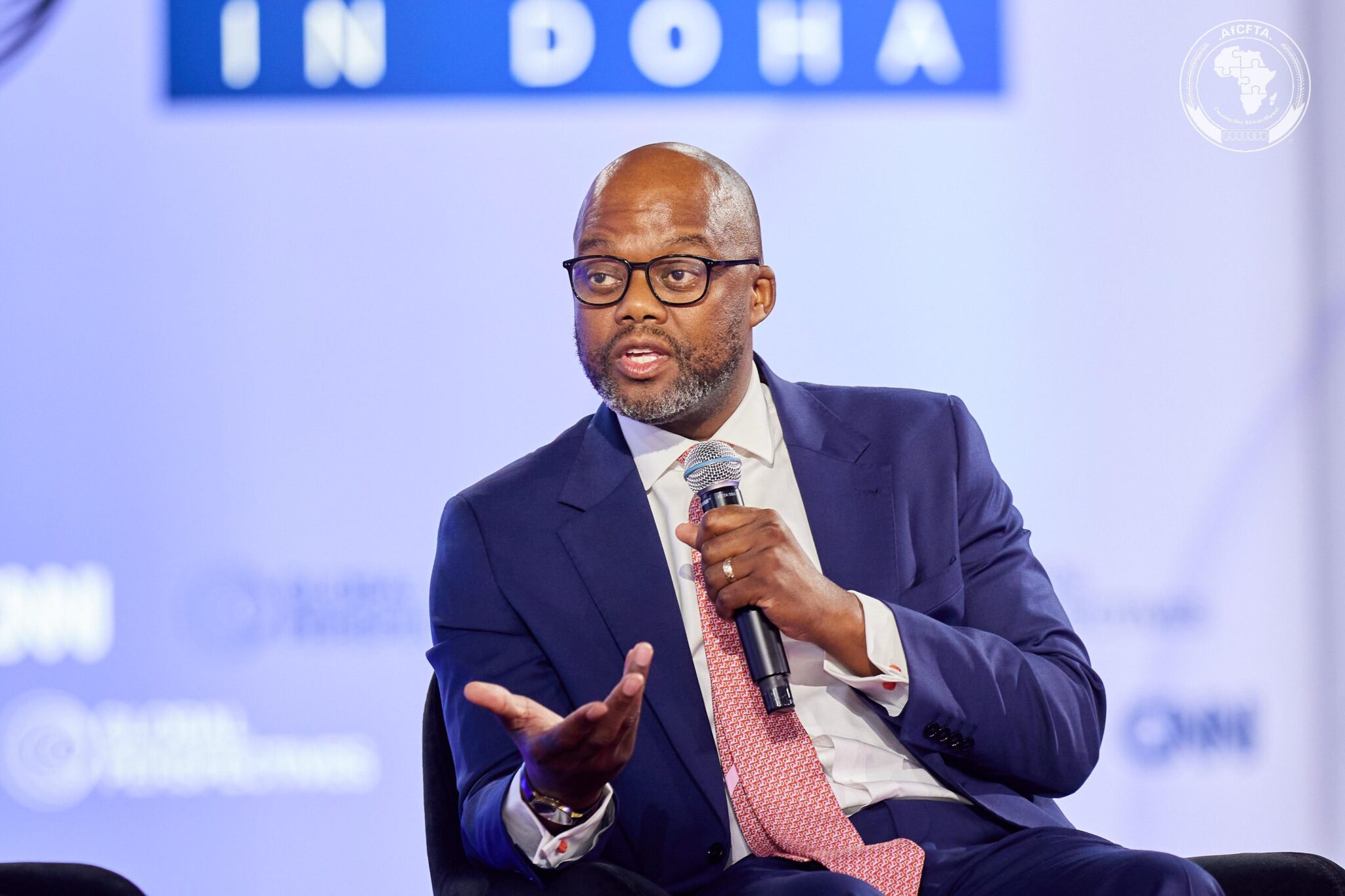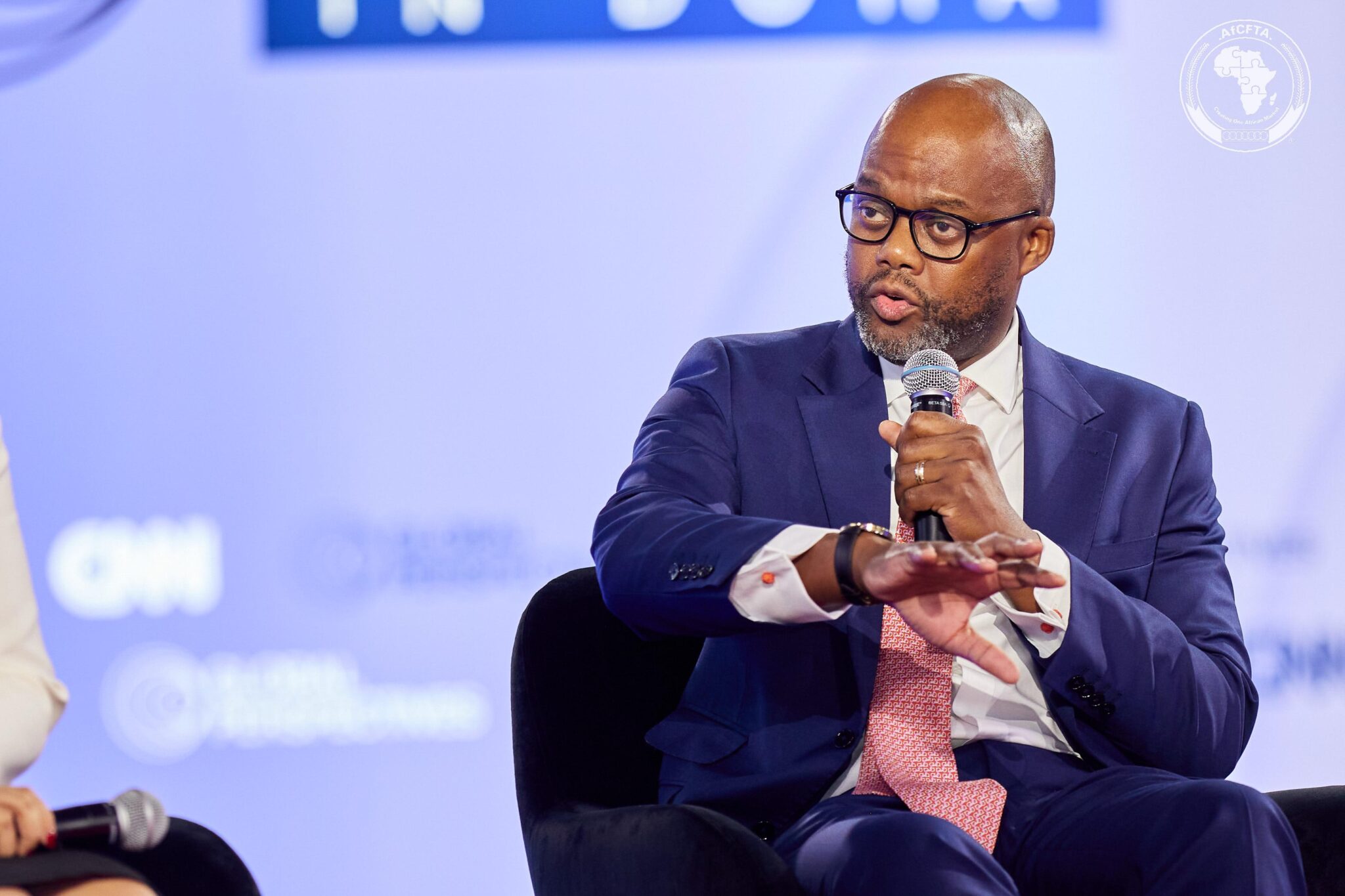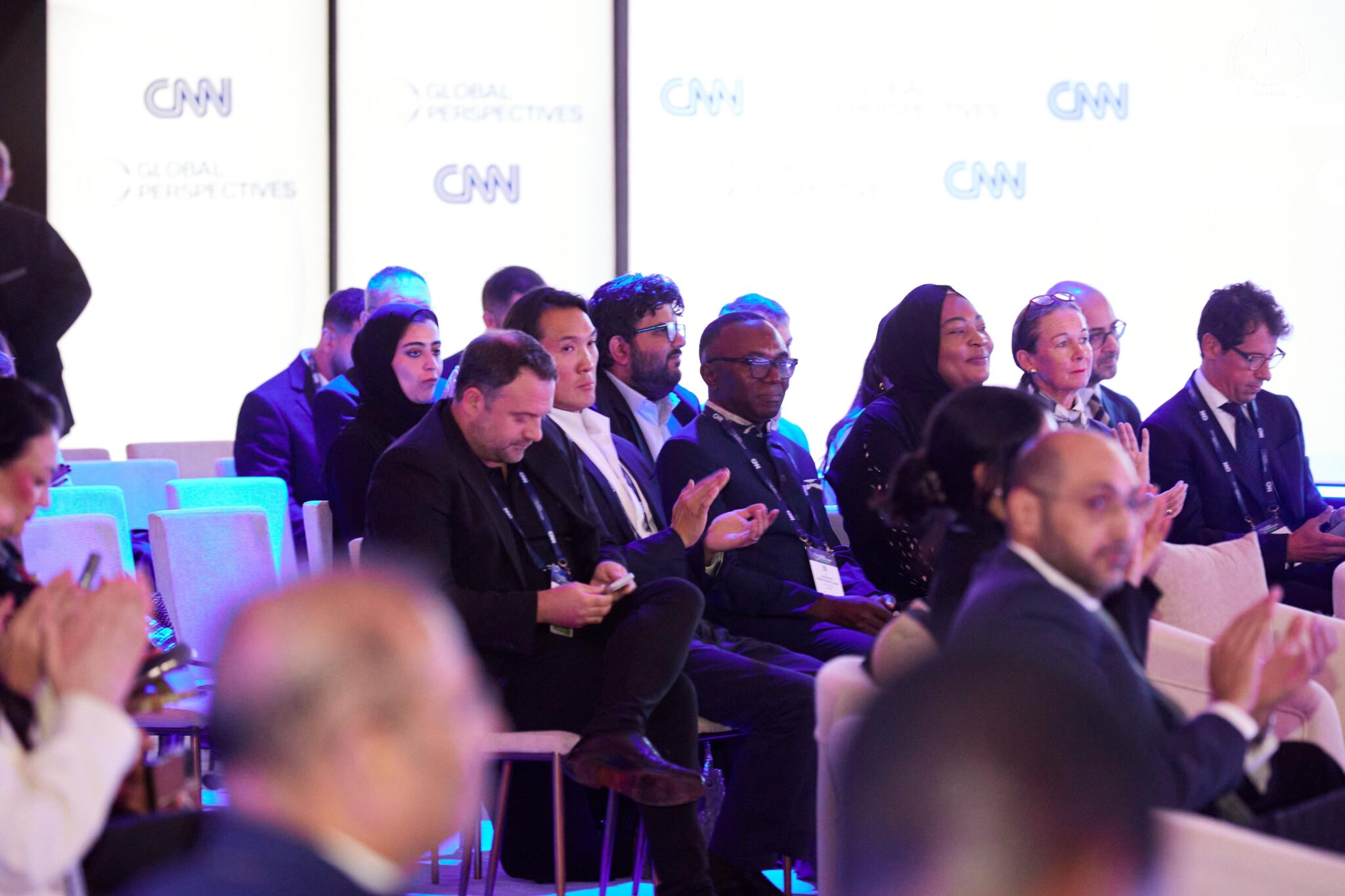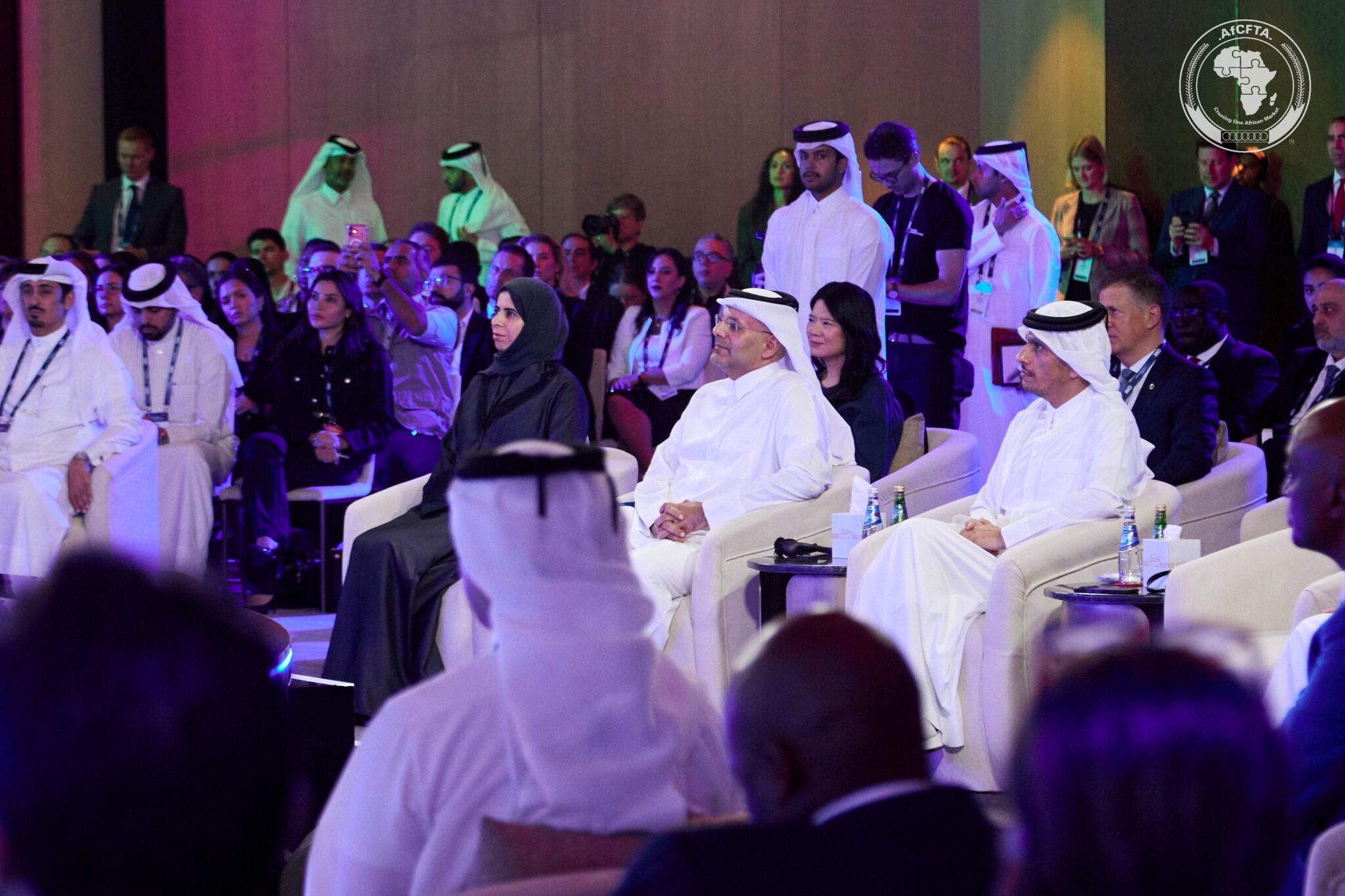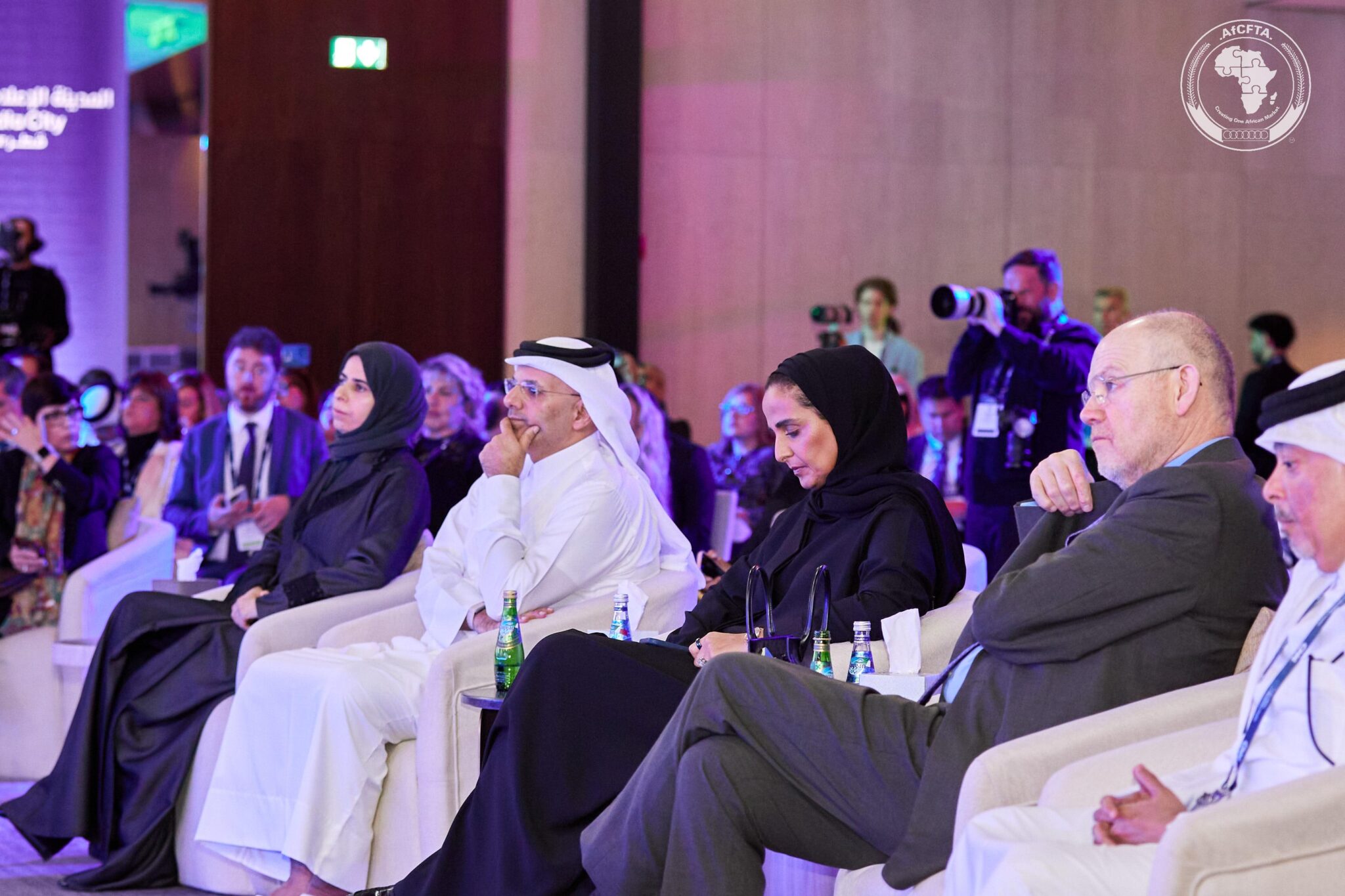
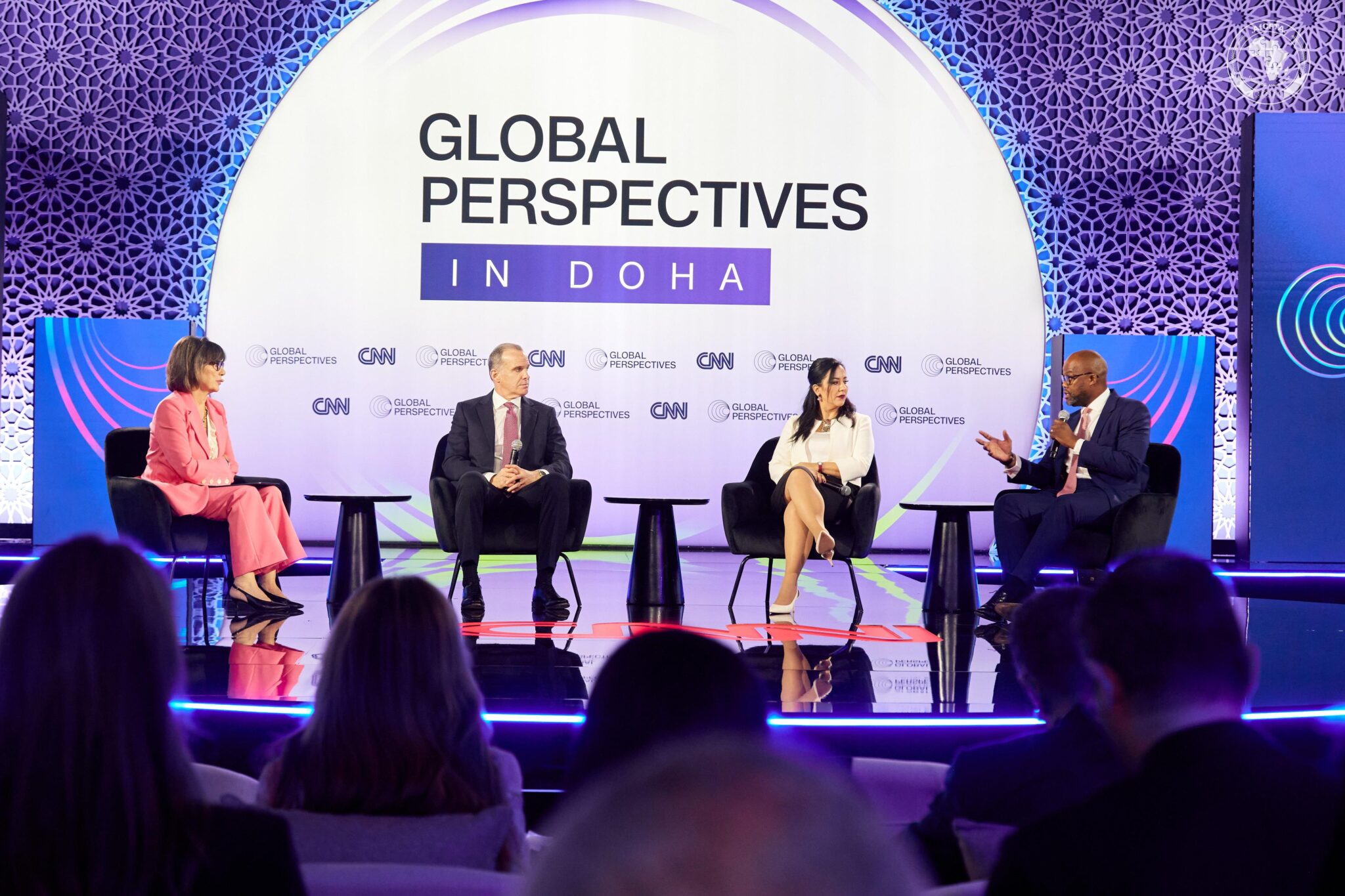
Speaking at CNN’s “Global Perspectives: In Doha”, the AfCFTA Secretary-General called for deeper African economic integration, greater mobilisation of the continent’s financial resources, and international partnerships firmly anchored in Africa’s own development priorities.
MEDIA INFORMATION NOTE | 30 OCTOBER 2026
DOHA, Qatar, 29 October 2026. Against a backdrop of mounting pressure on international trade and shifting global economic dynamics, H.E. Wamkele Mene, Secretary-General of the African Continental Free Trade Area (AfCFTA) Secretariat, has reaffirmed the importance of accelerating Africa’s economic integration while strengthening the continent’s capacity to finance its own development.
Speaking at CNN’s “Global Perspectives: In Doha”, the Secretary-General joined “The Negotiators”, a panel moderated by renowned international journalist Christiane Amanpour. Fellow panellists included Brett McGurk, CNN Global Affairs Analyst and former White House adviser on Middle Eastern affairs, and Hiba Qasas, Executive Director of the Principles for Peace Foundation.
The Secretary-General also sat down for a televised interview with CNN, addressing several issues central to Africa’s economic future: development financing, energy self-sufficiency, international partnerships, digital transformation and job creation.
A central message emerged from his interventions: in an increasingly uncertain global environment, Africa must remain open to the world while building greater capacity to shape and finance its own economic transformation.
Multilateralism: A Strategic Choice for African Integration
At a time when the multilateral trading system is facing exceptional strain, Secretary-General Mene made the case for rules-based international cooperation as an essential response to today’s economic and geopolitical challenges.
For Africa, whose economies are deeply connected to global value chains, disruptions to international trade make such cooperation all the more important.
The Secretary-General stressed that Africa’s response should not be to turn inward. Instead, the continent must accelerate its own economic integration by removing barriers to trade and investment, connecting fragmented markets and building a single continental market capable of competing globally.
This is the ambition at the heart of the AfCFTA: to create an integrated economic space in which goods and services can move more freely, opening new opportunities for African businesses to grow, expand and compete.
For Secretary-General Mene, this vision reflects a broader conviction. Whether the challenge is climate change, peace and security, or global trade, lasting solutions to shared problems depend on multilateral cooperation.
Financing Africa’s Development: African Capital Must Lead
One of the clearest messages from the Secretary-General’s interventions concerned the mobilisation of Africa’s own financial resources.
Secretary-General Mene noted that Africa is already making substantial investments in productive capacity, including renewable energy, with significant financing provided by African commercial banks and development finance institutions.
The next challenge is to take these efforts to scale.
He emphasised the need to strengthen investor confidence and create conditions that would enable more African savings to flow into productive sectors across the continent. Pension funds, sovereign wealth funds and other sources of long-term African capital have an important role to play in financing economic transformation.
The Secretary-General also called for wider use of credit enhancement instruments, including larger-scale guarantees, to attract international investment and help address what he described as an excessive risk premium attached to African markets.
His argument was not about choosing African capital over foreign investment. It was about ensuring that Africa’s own financial resources play a leading role in financing the continent’s development.
International capital remains welcome. What matters is Africa’s ability to mobilise its domestic resources, direct investment towards its development priorities and build more balanced financial partnerships.
International Partnerships: Africa’s Interests Must Come First
Asked about Africa’s economic relationships with international partners, the Secretary-General advocated an approach guided by clearly defined African interests.
The central question, he argued, is not whether Africa should favour one country or region over another. It is whether a given partnership advances the priorities that African countries have identified for themselves.
This approach places the continent’s interests at the centre of its external economic engagement.
Individual countries, as well as the continent collectively, must be able to assess partnerships according to their contribution to national and regional development objectives.
The issue is therefore not simply which partners Africa works with, but whether those partnerships serve African interests.
Energy: Making Self-Sufficiency an Economic Priority
Recent disruptions in global energy markets have highlighted the vulnerability of economies to external shocks.
Secretary-General Mene pointed to their consequences across Africa, including rising inflation, higher borrowing costs and increased production costs.
These pressures, he argued, underscore the urgency of accelerating Africa’s progress towards energy self-sufficiency.
That ambition encompasses both renewable energy and fossil fuels. It also requires closer cooperation among energy-producing African countries to expand production and better meet the continent’s needs.
Beyond energy security, the implications are fundamentally economic. Access to more affordable and reliable energy is essential to industrial development, business competitiveness and job creation.
Artificial Intelligence and Emerging Technologies: Competitiveness and Jobs at Stake
The Secretary-General also warned of the economic consequences of Africa falling behind in emerging technologies.
As artificial intelligence and other technological innovations reshape production systems and international trade, the ability to develop and adopt these technologies is becoming an increasingly important determinant of competitiveness.
Secretary-General Mene cautioned that failure to advance in these areas could undermine Africa’s ability to expand its productive sectors and generate employment opportunities for its young population.
He explained that the AfCFTA Secretariat is working with the private sector to mobilise investment in the infrastructure and services needed to support Africa’s digital economy, including payment platforms, digital trade solutions and data centres.
He also highlighted the importance of powering such infrastructure with renewable energy.
The rapid development of artificial intelligence, he added, raises intellectual property questions that require careful consideration.
Together, these issues underline the need for Africa to invest in digital infrastructure, innovation and the foundations of its long-term competitiveness.
Cross-Border Payments: Building on Africa’s Mobile Money Revolution
The expansion of mobile financial services has already transformed how millions of Africans conduct business.
Secretary-General Mene observed that digital platforms and payment systems are increasingly enabling small businesses to reach customers and access markets beyond their national borders.
These developments are creating new opportunities for intra-African trade, particularly for small and medium-sized enterprises.
However, unlocking their full potential will require regulatory frameworks that can keep pace with technological change.
The Secretary-General identified cross-border mobile payments as one of the next major challenges, highlighting the need for regulatory arrangements that enable payment systems to support the movement of goods and services across African markets more effectively.
Progress in this area will be important in translating the ambition of a single African market into practical opportunities for businesses and consumers.
Key Statements by the Secretary-General
The following quotations reproduce the Secretary-General’s statements in English as provided for this media note. Journalists are encouraged to consult CNN’s original broadcast before using them as verbatim quotations.
On multilateralism and the African single market
“At this point, multilateralism is the solution for us to create a single market.”
“The Negotiators” panel, 29 October 2026.
“The path that will solve global problems is multilateralism, whether it is climate change, peace and security, or global trade.”
“The Negotiators” panel, 29 October 2026.
On financing Africa’s development
“Global capital is always welcome, but the lead capital has to be African.”
CNN interview, 29 October 2026.
On international partnerships
“To the extent that the continent’s interests are at the fore of those partnerships, that is the criterion.”
CNN interview, 29 October 2026.
On energy self-sufficiency
“It certainly points to the need to accelerate the development of Africa’s energy self-sufficiency.”
CNN interview, 29 October 2026.
On emerging technologies and youth employment
“If we do not advance on emerging technologies, including artificial intelligence, and invest in our own competitiveness, we will not be able to create jobs for young people.”
CNN interview, 29 October 2026.
Media Resources
Watch the CNN coverage
Highlights from “Global Perspectives: In Doha” are available through CNN’s dedicated coverage:
https://edition.cnn.com/world/live-news/global-perspectives-doha
The programme, interviews and broadcast footage are CNN productions and remain subject to CNN’s copyright and usage conditions.
The AfCFTA Secretariat does not host or redistribute these materials. Media organisations wishing to reproduce or use CNN content should contact CNN regarding the applicable rights and permissions.
Official photographs and audiovisual material
The AfCFTA Secretariat can make the following materials available to media organisations upon request and through its Media Hub [insert link]:
• Official photographs of the Secretary-General in Doha;
• Clean video footage (*b-roll*), without commentary, on-screen text or music;
• A short official biography of the Secretary-General.
These materials are intended to support accurate media coverage of the Secretary-General’s participation, subject to applicable usage conditions.
The Secretariat does not provide a full transcript of the discussions. The quotations included in this note are those it is able to substantiate.
AfCFTA: Key Facts and Figures
The Agreement Establishing the African Continental Free Trade Area entered into force on 30 May 2019.
According to the AfCFTA Secretariat’s records as of 4 September 2026:
• 54 of the 55 African Union Member States had signed the Agreement;
• 50 countries had deposited their instruments of ratification;
• The continental market encompasses approximately 1.4 billion people;
• The combined gross domestic product of the economies concerned is estimated at approximately US$3.4 trillion.
The AfCFTA is the world’s largest free trade area by number of participating countries.
About the AfCFTA
The African Continental Free Trade Area (AfCFTA) is a flagship project of the African Union’s Agenda 2063, *The Africa We Want*.
It seeks to deepen economic integration across the continent by establishing a single market for goods and services, facilitating intra-African trade, and promoting investment and productive transformation.
Headquartered in Accra, Ghana, and led by H.E. Wamkele Mene, the AfCFTA Secretariat coordinates implementation of the Agreement in collaboration with State Parties, Regional Economic Communities and relevant continental institutions.
Media Contact and Interview Requests
AfCFTA Secretariat
Alexandre Siewe
Senior Advisor, Communications Division
Email: Alexandre.Siewe@au-afcfta.org
Tel: +233 302 986 252
Africa Trade House, Ambassadorial Enclave, Liberia Road, Ridge, Accra, GhanaWebsite: https://au-afcfta.org