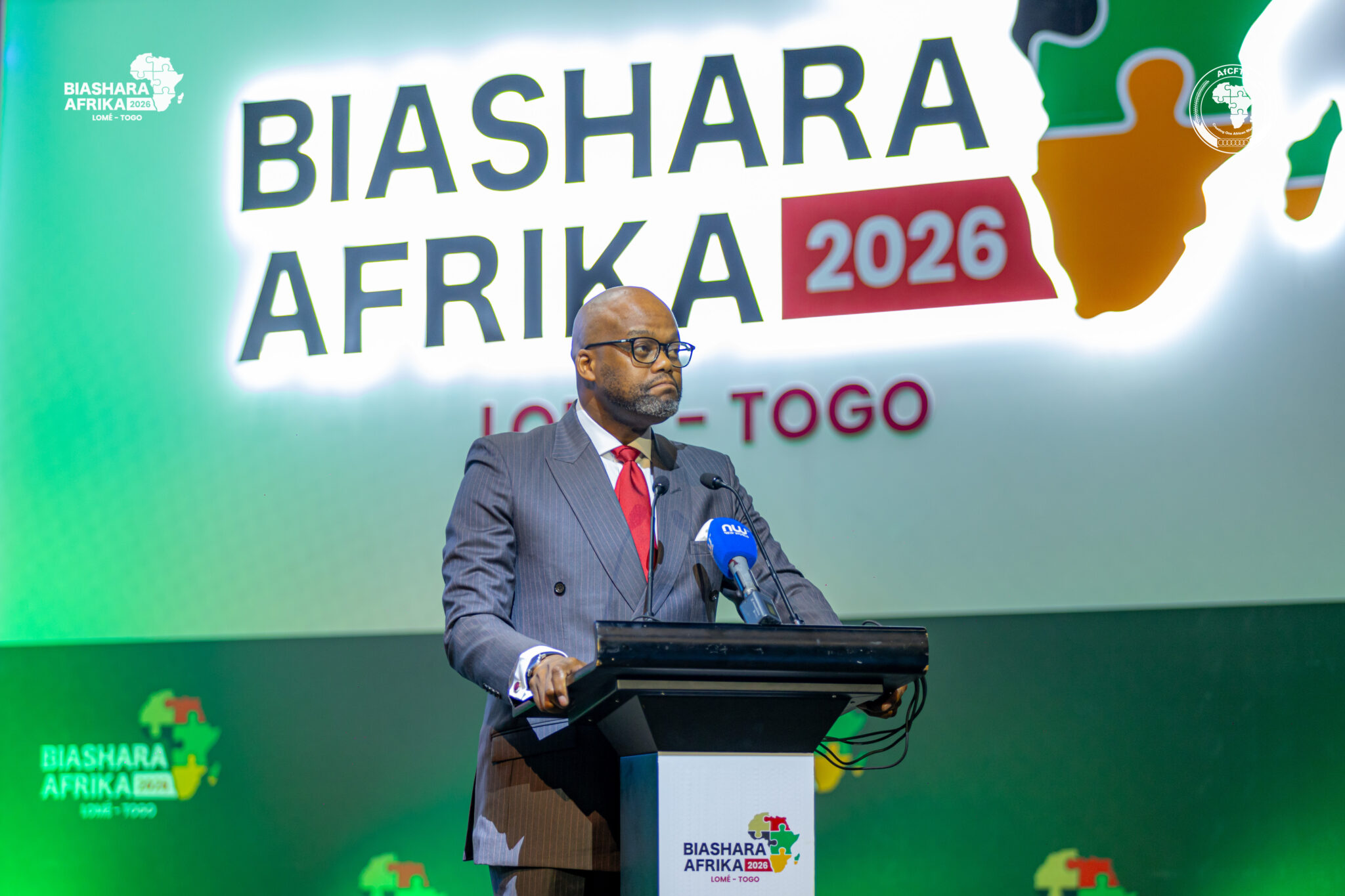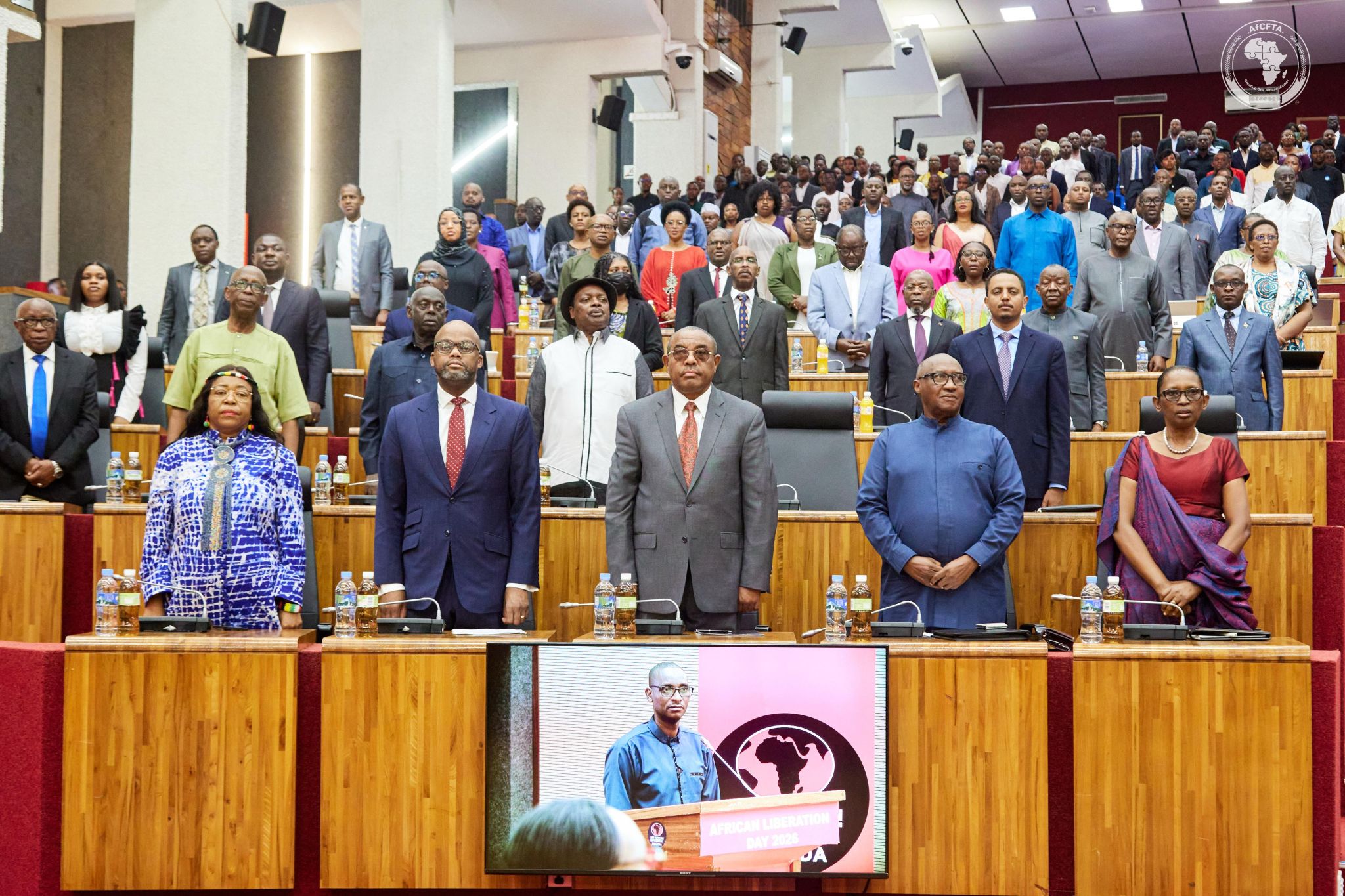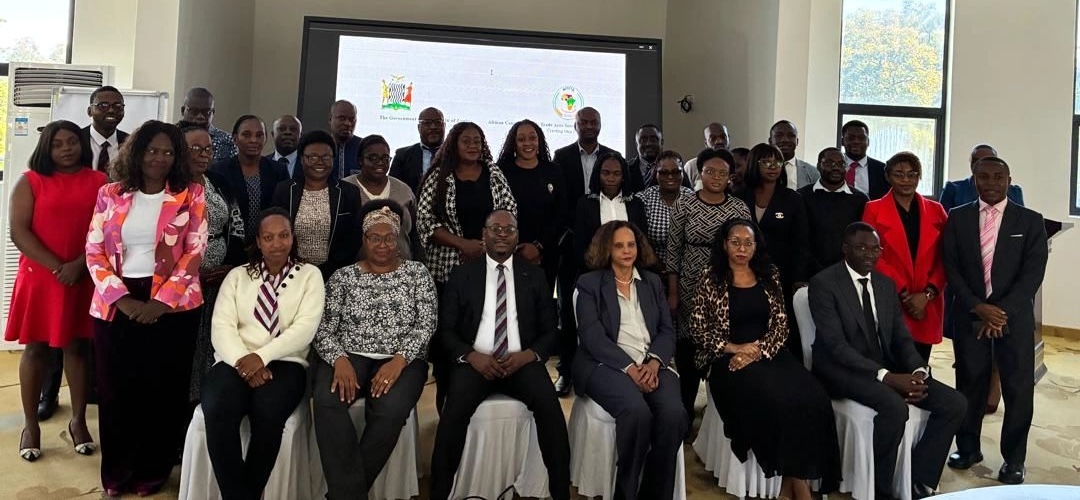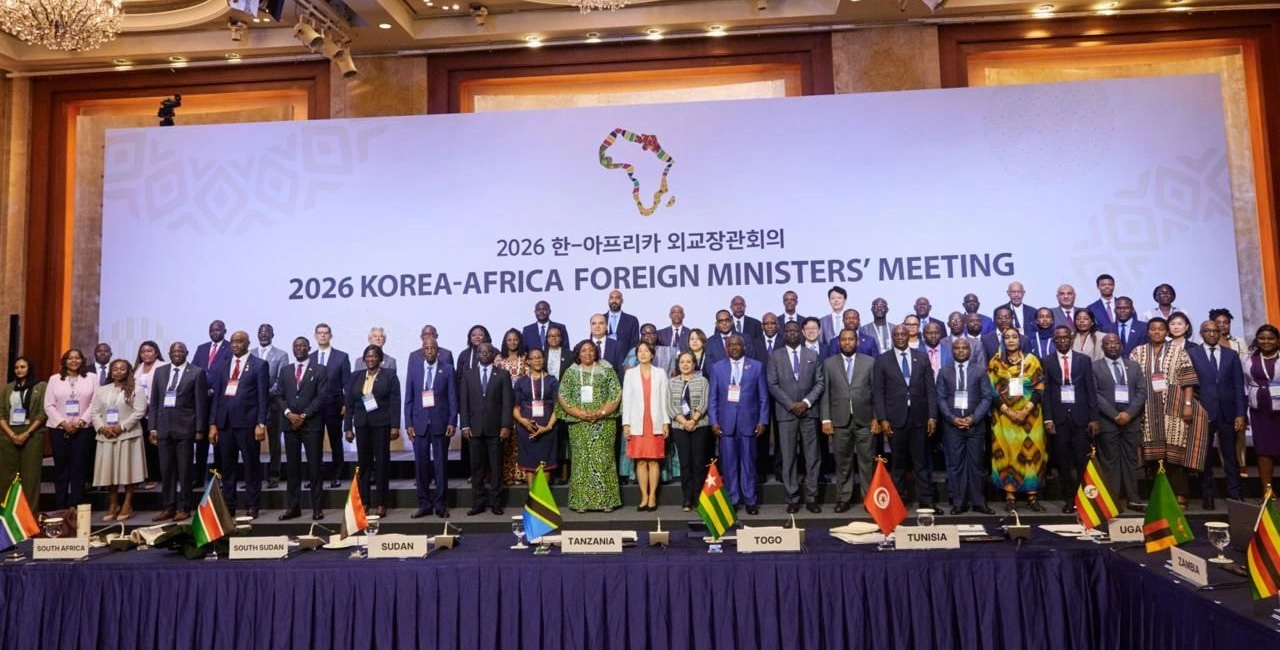
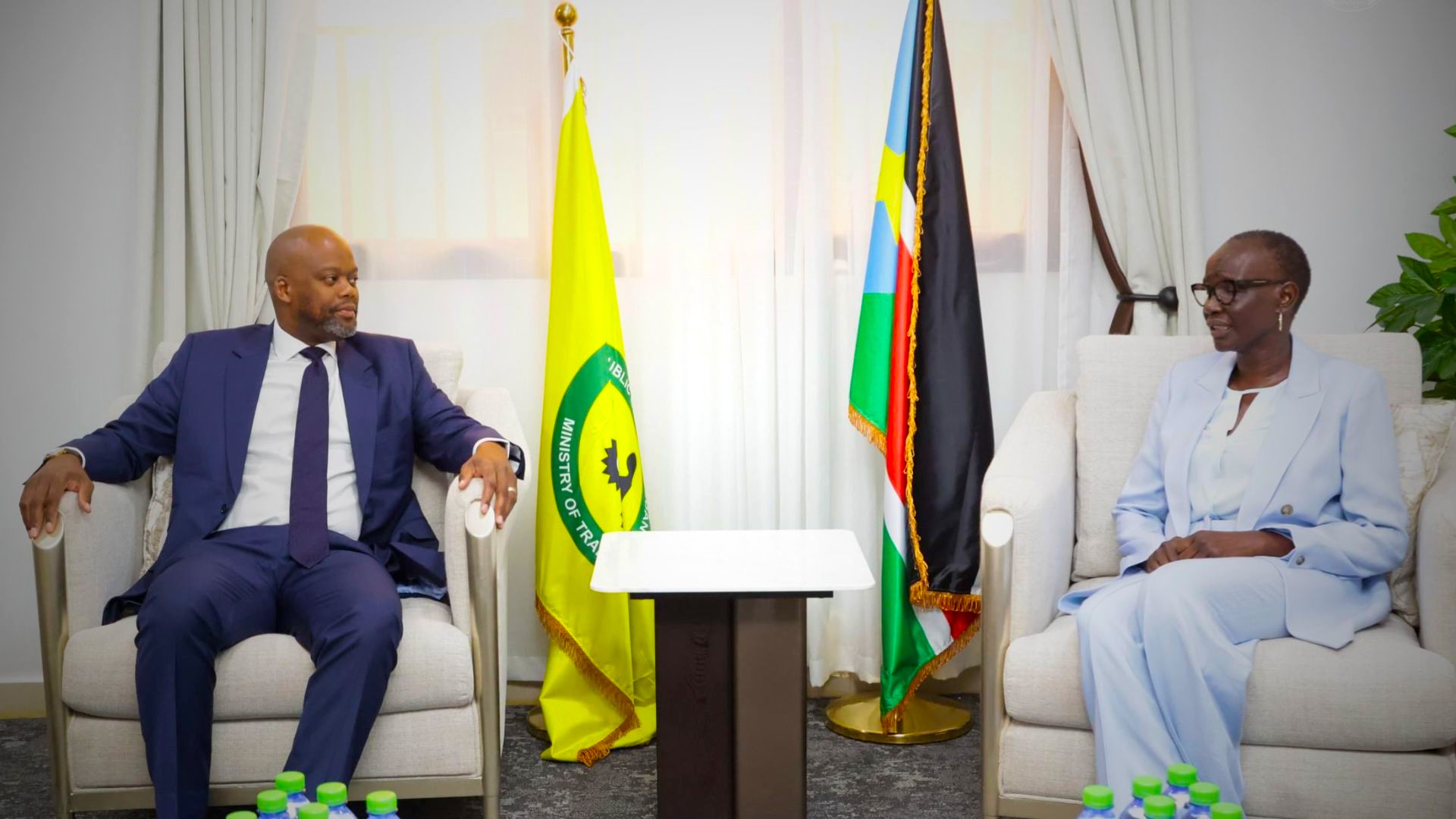
Secretary – General H.E. Wamkele Mene leads an official visit to Juba, engaging the Government and the private sector on the road to ratification and the opportunities the continental market opens for South Sudanese enterprises.
ACCRA / JUBA — On 16 July 2026, the Secretary-General of the African Continental Free Trade Area (AfCFTA), H.E. Wamkele Mene, undertook an official visit to the Republic of South Sudan. The visit advanced South Sudan’s participation in the African single market and opened a direct exchange with the country’s private sector.
South Sudan signed the AfCFTA Agreement in 2018. As a member of the East African Community, its schedule of tariff concessions has already been gazetted at customs-union level; the remaining step is ratification, which would make thecountry a State Party and open preferential access to a market of 1.4 billion people. Throughout the visit, the framing wasforward-looking: not where the country stands today, but what accession opens for its enterprises tomorrow.
The Secretary-General met the Minister of Trade and Industry, Hon. Dr Labanya Margaret Mathya. The delegation then held a dialogue with the private sector, hosted by the Ministry of Trade and Industry and chaired by the Under Secretary, Hon. YelLuol Koor. It brought together the country’s business leadership — the National Chamber of Commerce, represented by its Deputy Chairperson, Hon. Weiu Weiu Mou; the Manufacturers’ Association, led by its Chairperson, Hon. Adam Kubanja; theExporters’ and Women’s Associations; and individual exporters across gum arabic, leather, fisheries and agro-processing.
Three members of the delegation set out how the single market works in practice: Director Mohamed Ali (Trade in Goodsand Competition) on market access, Director Cynthia Gnassingbé-Essonam (Private-Sector Engagement and Communications) on how businesses connect to the market, and Director Emeka Uzomba (AfCFTA Adjustment Fund) on the Fund, which cushions State Parties from the effects that may arise from liberalizing their industries to the AfCFTA. The delegation presented the instruments that turn the Agreement into trade — the e-Tariff Book, the Rules of Origin Manual, the non-tariff-barriers mechanism, the Pan-African Payment and Settlement System (PAPSS), and the Adjustment Fund, whose credit window is already open to African-owned businesses in signatory countries — alongside the continental platforms Biashara Afrika and the Intra-African Trade Fair.
The delegation pointed to clear potential in agro-processing, fisheries and value-added goods. One product stood out: gum arabic — a high-value South Sudanese export, largely produced by women and sought across the continent for cosmetics, food and pharmaceuticals. The Secretariat will take it up as a case study, connecting South Sudanese producers to buyers in other regions and supporting value addition at home rather than the export of the raw material alone.
At a press point following the dialogue, a statement by the Secretary-General was delivered. In it, he sets out where SouthSudan stands — a signatory with the tariff schedule in place, and ratification the decisive next step — and what is required from the country’s entrepreneurs to access the continental market:
“Think continental, not just national. The AfCFTA is no longer just on paper — businesses are already trading across borders. Ratification is the step that will let South Sudan’s enterprises take their place, and it is for the private sector to be the engine that unlocks it.”
— H.E. Wamkele Mene, Secretary-General of the AfCFTA
The visit closes on a concrete follow-up sequence: participants are being enrolled in the AfCFTA private-sector database; the SME Booster capacity programme will extend to East Africa; and a return visit is envisaged before year-end at the Ministry’s request. On behalf of the authorities, the Ministry signalled its intention to advance the ratification process in the period ahead — the step that would allow South Sudanese businesses to trade under the Agreement’s preferences, andturn a country that buys from the continent into one that also sells to it.
— ENDS —
About the AfCFTA
The African Continental Free Trade Area is a flagship project of Agenda 2063: The Africa We Want. It entered into force on30 May 2019, started trading on 1 January 2021, and brings together a market of 1.4 billion people with a combined GDP of USD 3.4 trillion — with the potential to raise intra-African trade substantially through tariff liberalisation and trade facilitation.
Media contact
Alexandre Siewe · Senior Advisor, Communications — AfCFTA Secretariat
Email: Alexandre.Siewe@au-afcfta.org · Web: au-afcfta.org