Accra, 7 July 2026
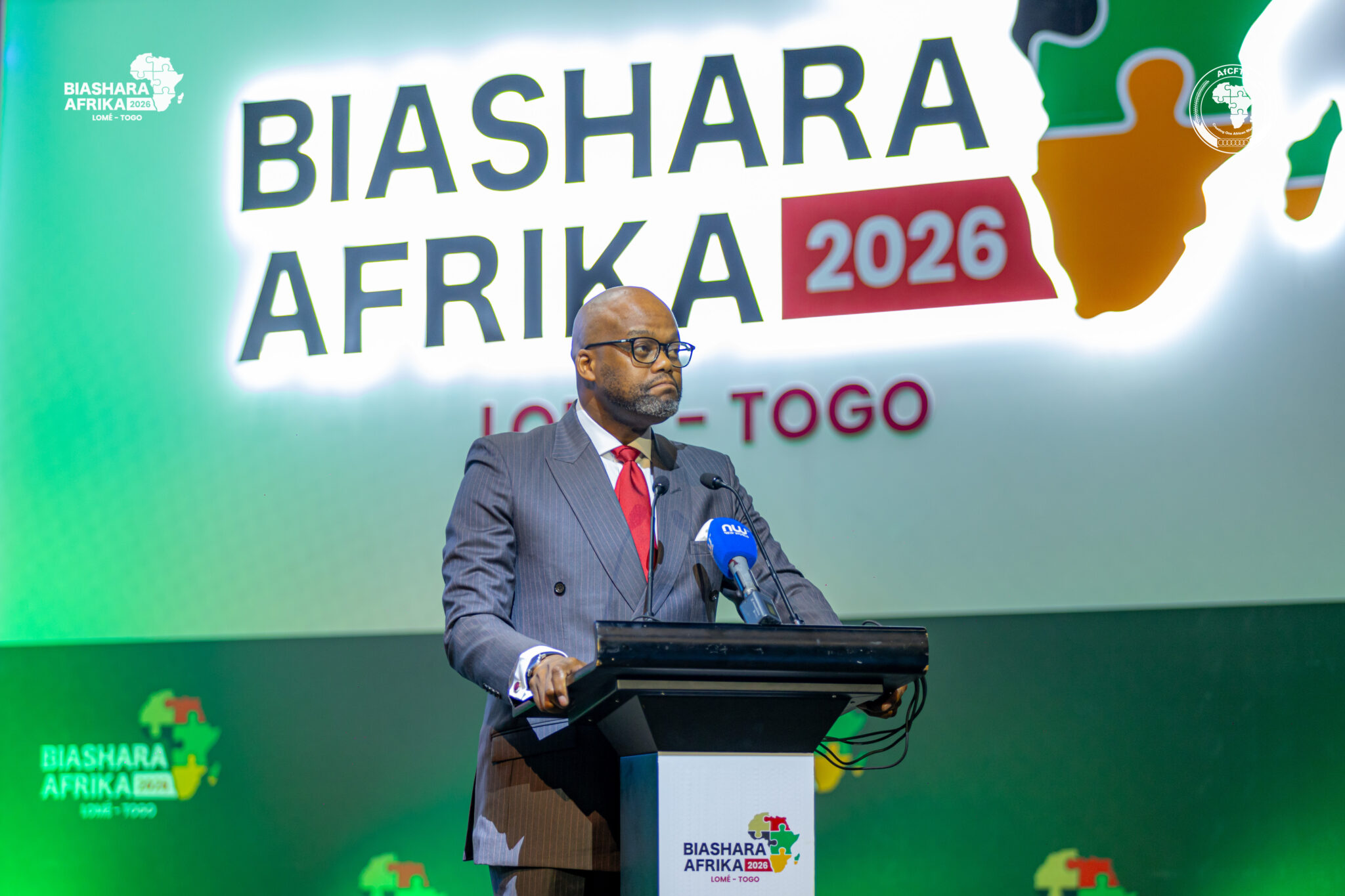
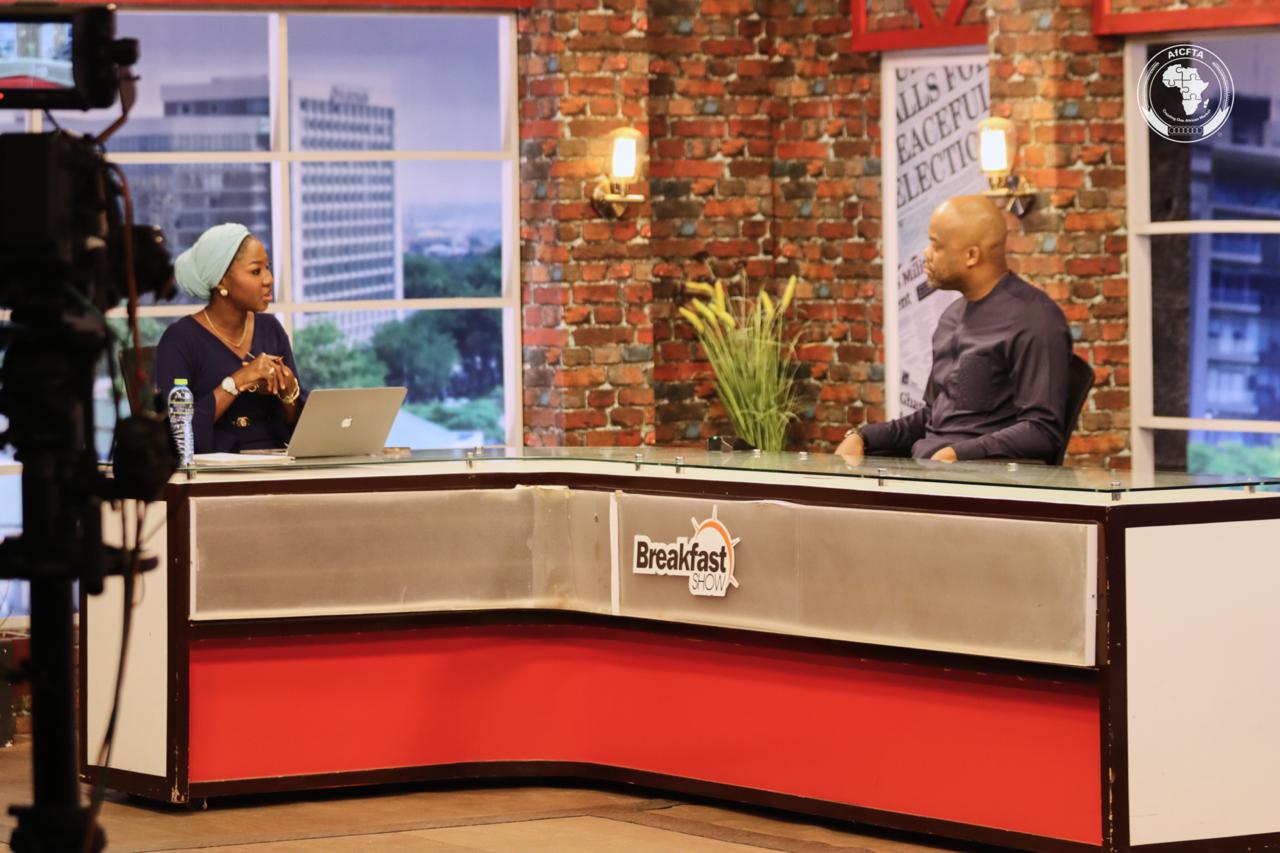
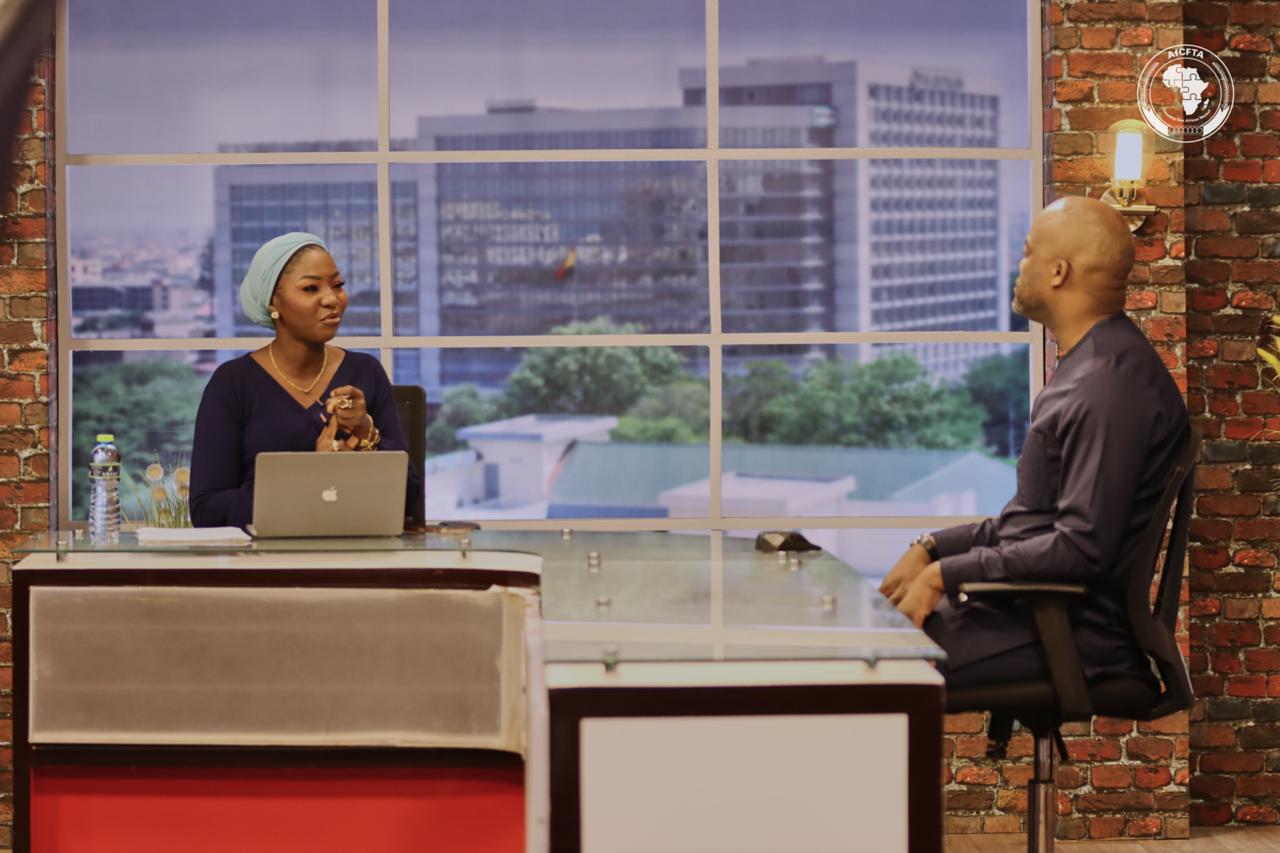
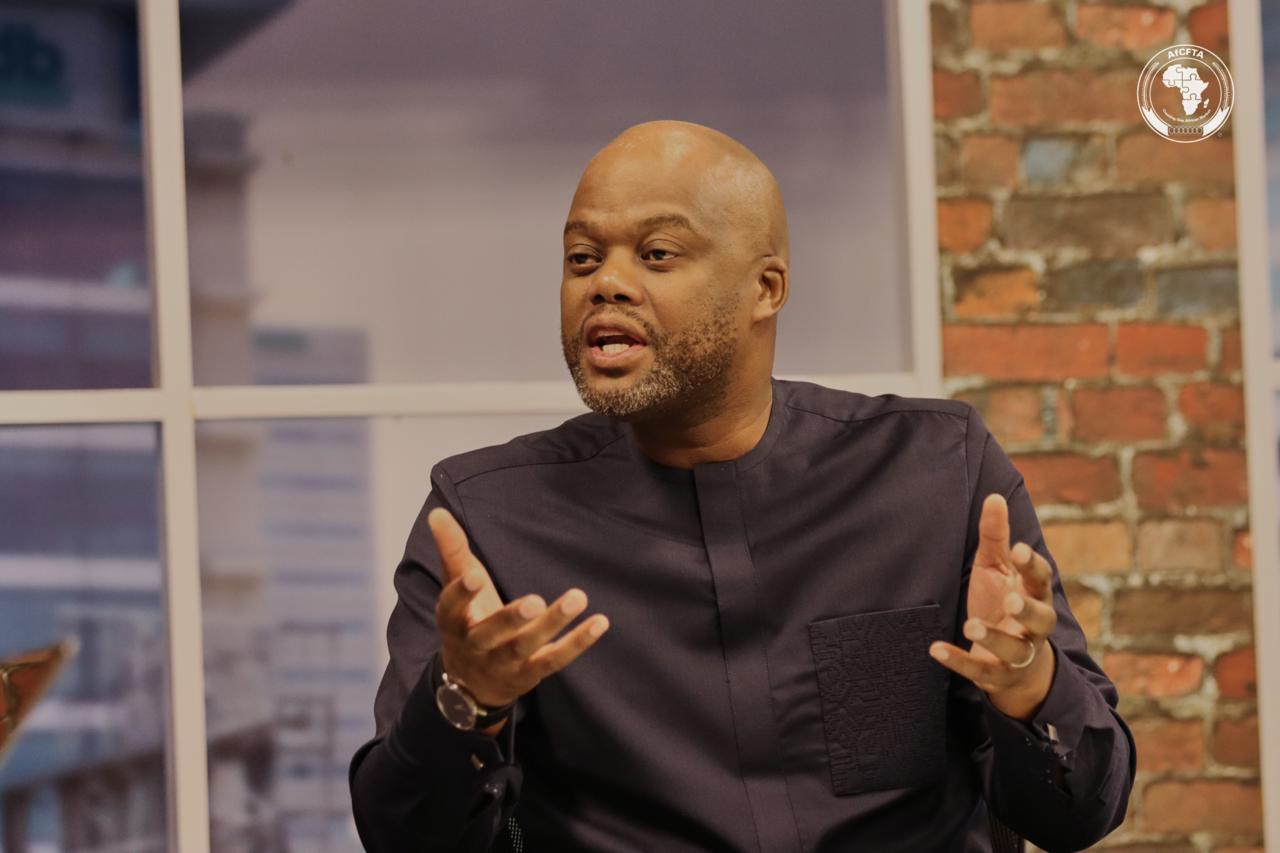
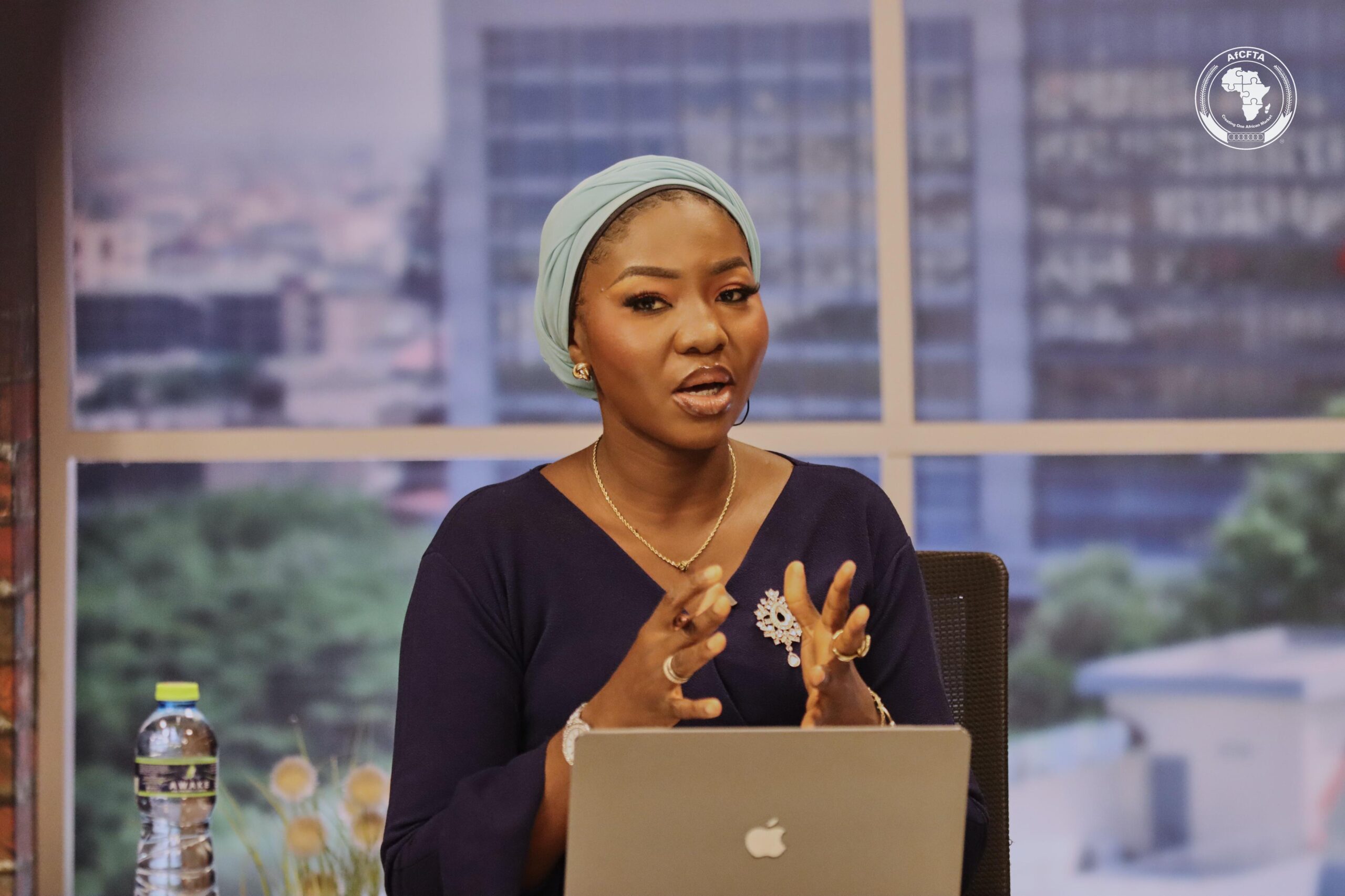
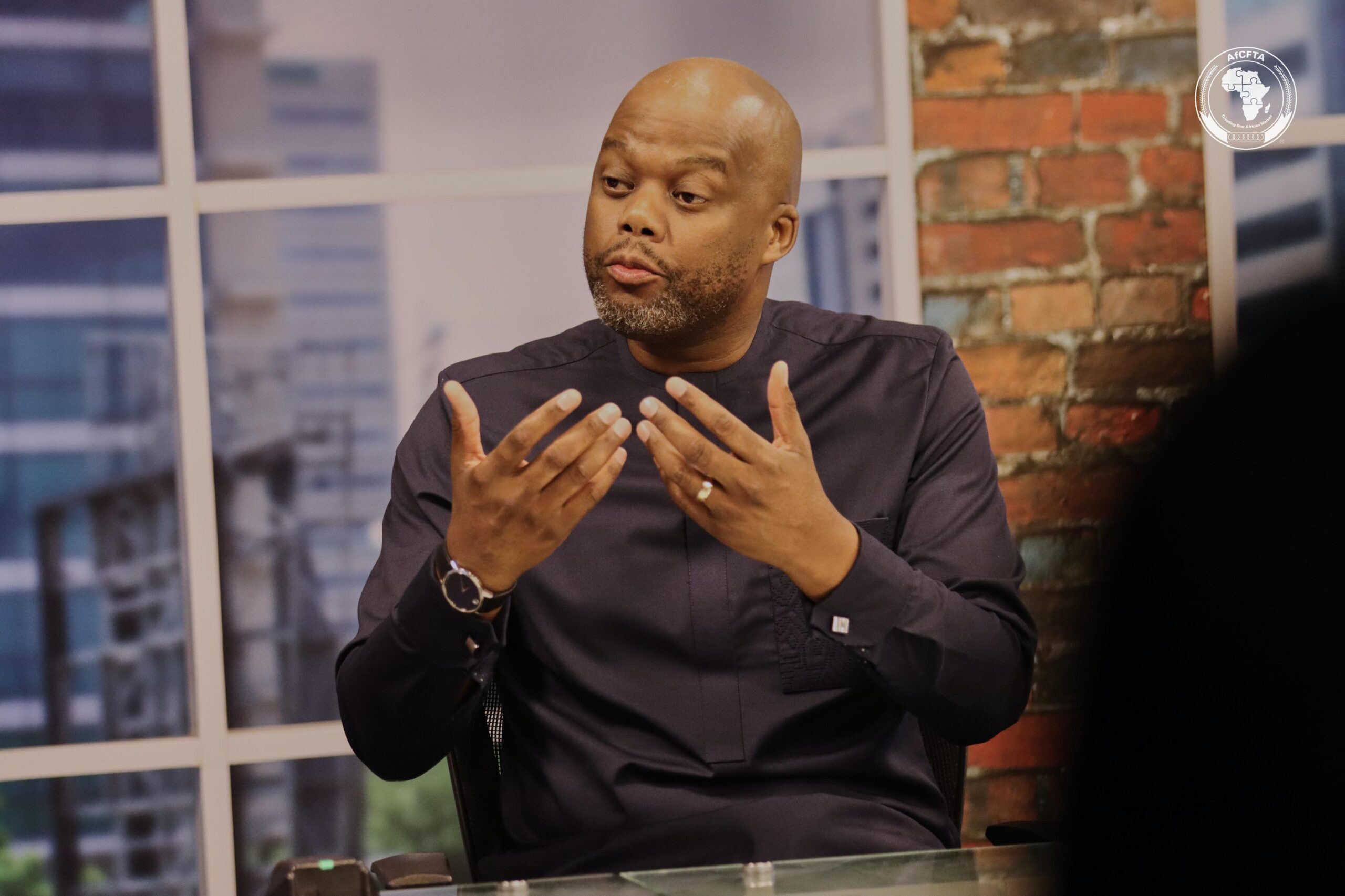
The Secretary-General of the African Continental Free Trade Area (AfCFTA), H.E. Wamkele Mene, appeared on GTV’s BREAKFAST show in Accra on 7 July 2026 for a wide-ranging interview on the state of Africa’s single market and the shift now under way — from negotiating the rules of continental trade to implementing them.
Implementation, he made clear, is the priority. “Ensuring the effective implementation of agreed rules for free trade remains our top priority,” the Secretary-General said, adding that “we are moving in the right direction toward enhancing intra-African trade.” Intra-African trade exceeded USD 220 billion in 2024 — a figure driven, he noted, by the private sector rather than governments.
That places business at the centre of the Secretariat’s work. “The core of our work is to encourage the private sector to take the lead in driving growth and development,” he said, stressing that “greater private-sector investment is essential for sustainable growth and progress.”
The Secretary-General underscored the AfCFTA’s inclusive design. “The AfCFTA aims to empower women-owned businesses to thrive and become more competitive,” he said, noting that “we are seeing more young people across Africa taking charge of their own destiny,” and pointing to the Digital Trade Forum as “a platform that enables fintech companies, investors, and young entrepreneurs to explore new opportunities.”
On mobility and integration, he was candid about the distance still to travel: “The fragmentation across our continent runs deep, and our objective is to break down these barriers.” He welcomed the spread of open-border policies — “We are making progress toward achieving the free movement of persons across Africa” — and added: “I hope more African countries will adopt visa-on-arrival policies.”
He framed the stakes in generational terms: “Our goal is to create an environment where, by 2050, one in every four Africans has access to employment or entrepreneurial opportunities,” warning that “we must move with speed and purpose because more people are eagerly waiting for progress.”
Asked about the recent xenophobic violence in South Africa, the Secretary-General spoke without reservation. “I am deeply embarrassed by the actions we have witnessed in South Africa, and I bow my head in shame.” He stressed that “whether a person is documented or undocumented, it is the responsibility of the Government of South Africa to protect the dignity and human rights of everyone,” and that “the ringleaders behind these attacks must be identified and brought to justice,” recalling that “many African countries played a significant role in the struggle for the freedom that South Africa enjoys today.”
Ten things to take away from the interview
- Implementation is now the whole game The rules are negotiated and the market exists; the priority now is to apply them so businesses can use them — with the explicit target of doubling intra-African trade by 2035.
- USD 220 billion in intra-African trade in 2024 — driven by business The 2024 figure was generated by the private sector, not governments. Government’s role is to build the enabling environment through the AfCFTA.
- The private sector must lead The Secretariat’s core work is to enable business to drive growth and development; greater private-sector investment is essential to sustainable progress.
- Built for women and youth The AfCFTA works to empower women-owned businesses to compete, and the Secretary-General sees more young Africans taking charge of their own destiny.
- Free movement is opening — but slowly Fragmentation runs deep; the objective is to break down these barriers. The Secretary-General welcomed visa-on-arrival policies and hopes more countries will follow.
- Digital trade is the platform for young Africans The Digital Trade Forum connects fintech companies, investors and young entrepreneurs to new opportunities; digital tools can cut the cost of intra-African trade.
- Industrialise: reward those who build at home Any country that makes serious commitments to industrial development will reap the benefits — value addition in-country over raw exports.
- A single currency is a goal, not a near-term step It remains a key objective, but the Secretary-General is clear-eyed about its complexity; digital tools offer near-term efficiency gains.
- SMEs are the engine, and the clock is running Small and medium-sized enterprises are key drivers of Africa’s growth; the goal is that by 2050, one in four Africans has access to employment or entrepreneurship.
- On xenophobia in South Africa, the Secretary-General was unequivocal He bowed his head in shame; insisted the state must protect the dignity of everyone, documented or not; and called for the ringleaders to be brought to justice, recalling the continent’s role in South Africa’s freedom.

About the AfCFTA
The African Continental Free Trade Area is the flagship project of the African Union’s Agenda 2063. The Agreement entered into force on 30 May 2019, with trading commencing on 1 January 2021. The AfCFTA Secretariat, headquartered in Accra, Ghana, coordinates implementation of the Agreement and is headed by Secretary-General H.E. Wamkele Mene.
Media contact
AfCFTA Secretariat — Communications Division
Mr Alexandre Siewe Leupi, Senior Advisor, Communications — Alexandre.Siewe@au-afcfta.org
Ms Yafika Chitanda, Communications Officer — Yafika.chitanda@au-afcfta.org
info@au-afcfta.org · https://au-afcfta.org